
Nigeria TV Info – World Affairs
Greece Launches €2.5 Billion Plan to Protect Water Resources Amid Severe Drought
Athens, Greece – Greece has unveiled a €2.5 billion ($2.92 billion) investment plan aimed at safeguarding its water resources over the next 30 years, as the country grapples with prolonged drought and increasing pressure on dwindling water supplies, Environment Minister Stavros Papastravrou announced on Thursday.
Speaking at an event in Athens, Papastravrou warned that Greece faces the second most severe water stress in southern Europe after Cyprus, with Athens and Thessaloniki, the nation’s two largest cities, expected to be hardest hit.
“Greece will be facing the second most severe water stress in southern Europe after Cyprus,” Papastravrou said.
Greece, which consumes roughly 10 billion cubic metres of water annually, has experienced hotter summers and drier winters in recent years — a trend scientists link to rapid climate change. A key reservoir in central Greece, supplying nearly half of the country’s 10 million residents, has now dropped to its lowest level in decades.
The minister revealed that Greece’s annual water reserves have decreased by approximately 250 million cubic metres since 2022, with rainfall down by 25%, evaporation up by 15%, and water consumption rising by 6%.
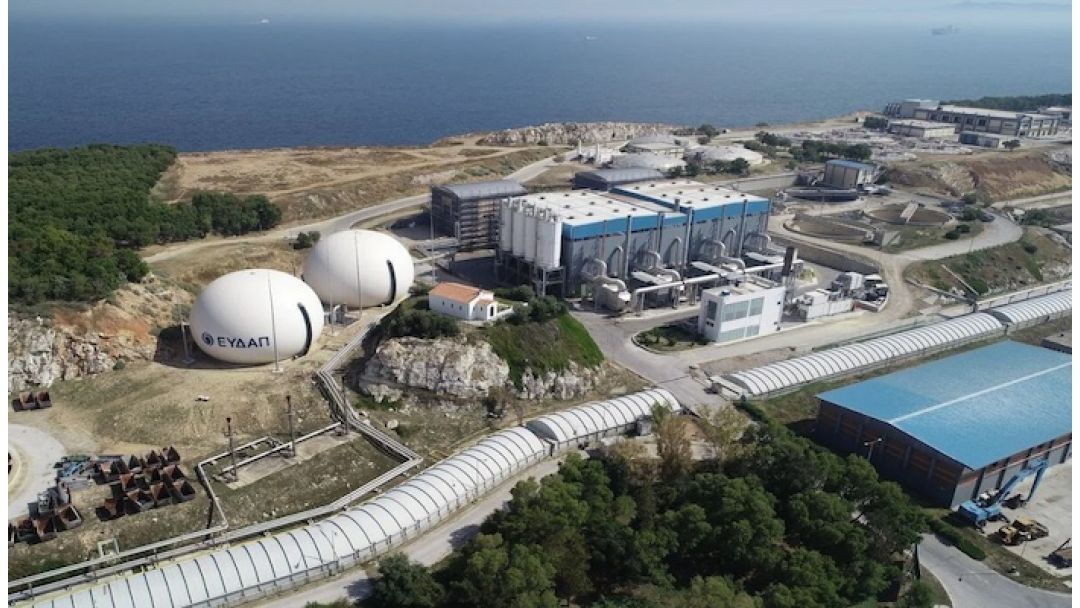
To tackle the crisis, the government has launched a seven-point strategy focused on strengthening national water infrastructure. Key measures include diverting water from tributaries to a western Greece reservoir, expanding desalination projects, and drilling new wells to secure sufficient water for Athens and other urban centres.
Additionally, Greece’s two largest water utilities, EYDAP and EYATH, will take over the irrigation network previously managed by smaller local authorities. The move is expected to modernise the country’s fragmented water management system and reduce massive losses caused by leaky pipes.
This ambitious plan reflects Greece’s urgent response to a mounting water crisis, as climate change continues to exacerbate water scarcity across southern Europe.
Comments