
Nigeria TV Info
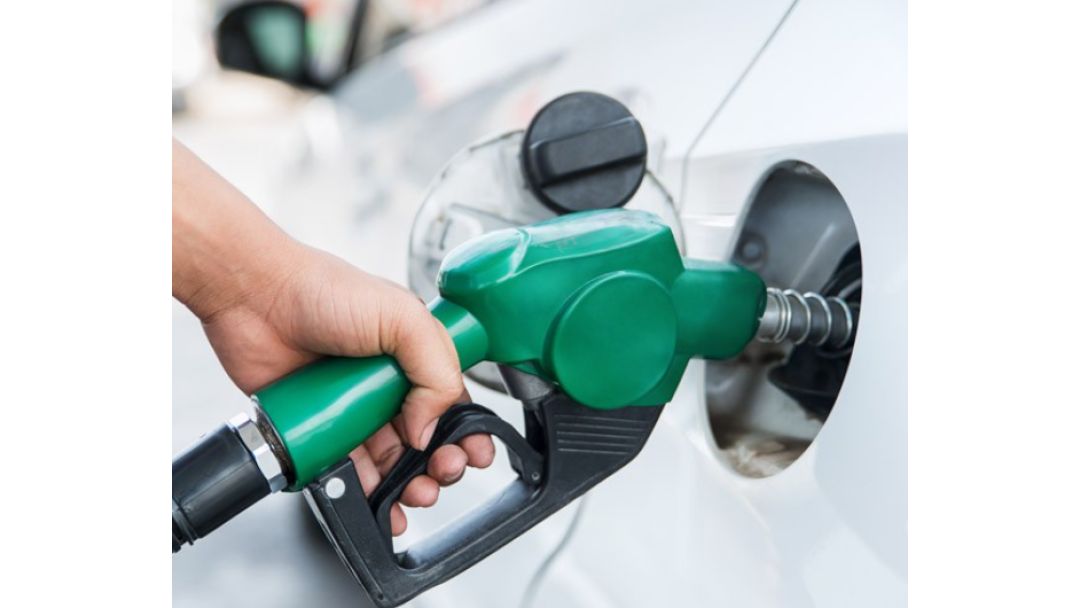
US‑Iran War: Petrol Price Surge Sparks Calls for Relief
The ongoing military confrontation between the United States and Iran, marked by escalating strikes across the Middle East, has triggered sharp increases in crude oil and petrol prices worldwide — prompting urgent calls for government relief measures.
Fuel Prices Surge Amid Geopolitical Strains
Crude oil benchmark prices spiked above $100 per barrel recently after intensified conflict around the Strait of Hormuz — a crucial maritime chokepoint for roughly 20 % of global oil supplies. Disruptions to tanker traffic and attacks on key export infrastructure drove market jitters, pushing energy costs higher.
The U.S. Energy Secretary has cautioned that there are “no guarantees” fuel prices will fall soon, even as government strategies are discussed to stabilize markets.
Domestic Impact: Rising Petrol Prices and Economic Pressure
In Nigeria and other importing economies, the petrol price surge has hit households and businesses hard. Local civil society organisations and labour unions — especially the Nigeria Labour Congress (NLC) — have called on the federal government to introduce emergency relief measures, including:
- Tax relief on fuel and basic goods
- Cost‑of‑living allowances for workers
- Wage awards to mitigate inflationary pressures
These calls reflect growing concern over rising transport costs and broader economic hardship.
Global Coordination and Strategic Releases
Global energy bodies have responded to the pricing shock. The International Energy Agency (IEA) announced the release of emergency oil stockpiles — a coordinated effort by major economies to ease supply constraints — although analysts warn such measures may offer limited immediate relief if geopolitical risks persist.
Political Reactions and Market Volatility
In the U.S., former and current officials have publicly debated strategies to secure shipping lanes and dampen price volatility. Meanwhile, former President Donald Trump has linked military success to eventual energy market stabilization, even as some international partners remain cautious.
What This Means for Consumers
Consumers worldwide are feeling the impact at the pump. In the United States, average gasoline prices have climbed significantly, drawing political and public scrutiny as households contend with inflation‑linked costs. Meanwhile, government deliberations in Europe and Africa consider both tax interventions and social support packages to offset rising energy expenditures.
Comments