
Nigeria TV Info
World Bank Softens Stance on Dangote Fuel Pricing Amid Backlash
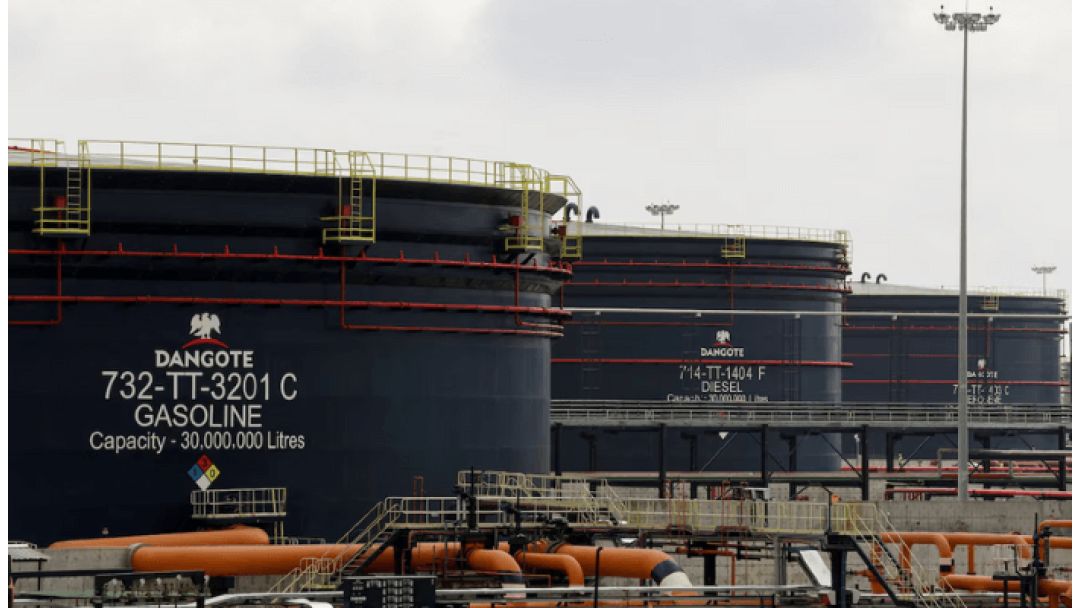
The World Bank has adjusted its position on fuel pricing in Nigeria following intense criticism over earlier remarks suggesting that petrol from the Dangote Refinery was more expensive than imported alternatives.
In its April 2026 Nigeria Development Update, the Bank had initially argued that the suspension of petrol import licences reduced market competition, allowing domestic prices—largely influenced by the Dangote Refinery—to rise above import parity levels. This position sparked widespread backlash from industry stakeholders, who viewed it as undermining Nigeria’s growing domestic refining capacity.
The controversy deepened after the Bank highlighted a price gap of about 12 percent between locally refined petrol and imported fuel, attributing the disparity to global crude price pressures and market distortions. Critics, however, argued that such comparisons ignored broader economic benefits of local refining, including reduced foreign exchange demand and improved energy security.
Amid mounting criticism, the World Bank clarified that it was not advocating a wholesale return to fuel importation. Instead, it stated that its recommendations were focused on improving market efficiency and ensuring energy security, rather than weakening domestic refining efforts. The institution emphasized the need for balanced policies that support both competition and local production.
The clarification marks a notable shift in tone, as the Bank now appears to acknowledge the strategic importance of the Dangote Refinery in Nigeria’s energy landscape. The facility, which has significantly reduced reliance on imports and increased regional fuel exports, is seen as central to the country’s long-term energy independence.
Analysts note that the debate comes at a time of heightened global energy instability, driven by geopolitical tensions that have pushed up oil prices and intensified inflationary pressures worldwide. These external shocks have complicated fuel pricing dynamics, making it difficult to isolate domestic factors from global influences.
For Nigeria, the policy dilemma remains delicate: balancing competitive pricing with the need to protect a multi-billion-dollar domestic investment that could redefine the nation’s petroleum sector.
Comments