
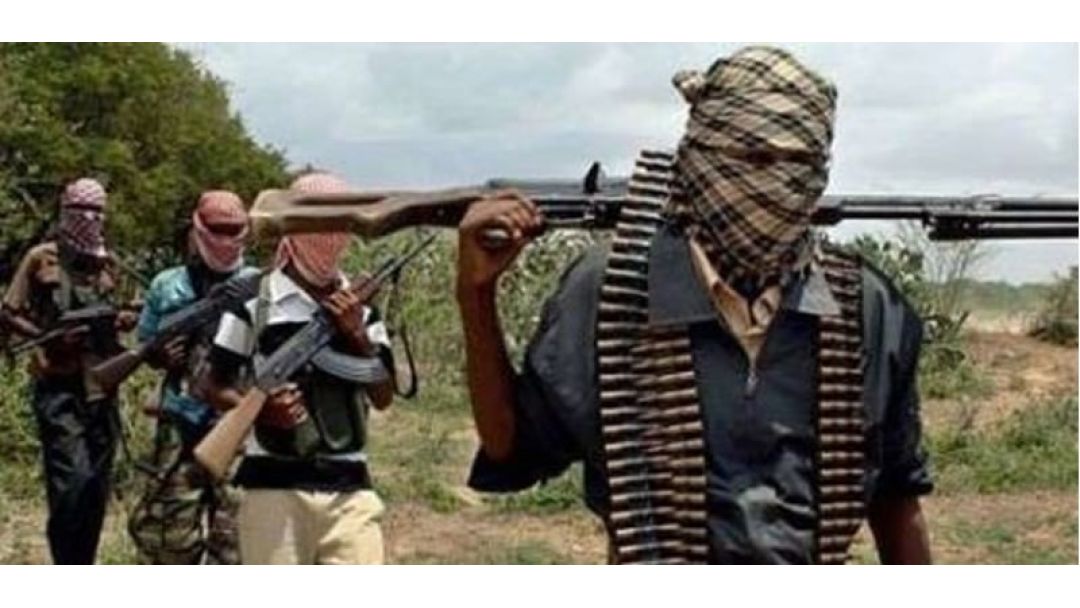
Why Boko Haram and ISWAP Are Increasingly Targeting Nigerian Military Bases
Armed insurgent groups Boko Haram and Islamic State West Africa Province have intensified attacks on Nigerian military formations, particularly in the North-East. Security analysts say the strategy is deliberate and aimed at weakening the state’s ability to fight the insurgency.
Seizing Weapons and Military Equipment
One of the main reasons insurgents attack military bases is to capture weapons, ammunition, and military vehicles. When militants overrun bases, they often loot rifles, machine guns, trucks, and other equipment that strengthen their fighting capacity. Recent attacks in Borno State saw militants cart away military hardware after storming bases.
Because insurgent groups rely heavily on captured equipment, attacking army formations allows them to replenish their arsenal without purchasing weapons through difficult channels.
Weakening Government Military Presence
Military bases represent the government’s control in conflict areas. By attacking and sometimes destroying these installations, insurgents aim to push the army out of remote communities and create ungoverned spaces where they can operate freely.
Security experts note that remote outposts with limited resources are often easier targets for insurgents. Once the military withdraws, militants can use the area as a base for recruitment, logistics, and launching further attacks.
Boosting Propaganda and Morale
Successful attacks against military targets are often used by insurgent groups for propaganda. By showing that they can defeat soldiers and overrun bases, the groups attempt to project strength, recruit fighters, and attract support from extremist networks.
In recent coordinated raids, militants used advanced weapons and even drones, demonstrating improved tactical capability.
Undermining Security Operations
Attacks on military formations disrupt ongoing counter-insurgency operations. When bases are destroyed or temporarily abandoned, security forces must divert resources to rebuild or reinforce positions instead of conducting offensive operations.
This strategy allows militants to regroup and expand their activities across the Lake Chad Basin, which includes Nigeria, Niger, Chad, and Cameroon.
Long-Running Insurgency
The insurgency by Boko Haram began in 2009 with the goal of establishing a strict Islamic state in Nigeria. Over time, the movement split into factions, including ISWAP, but both groups remain active in the North-East and continue to attack security forces and civilians.
Growing Security Concern
Recent attacks have resulted in heavy casualties among soldiers and civilians, highlighting the ongoing security challenge in the region. Analysts warn that unless military bases are strengthened and intelligence operations improved, insurgents may continue targeting these facilities to maintain momentum in the conflict.
Comments