
Nigeria TV Info
Anti-Christian Violence: US Ramps Up Pressure on Nigeria’s Fulani
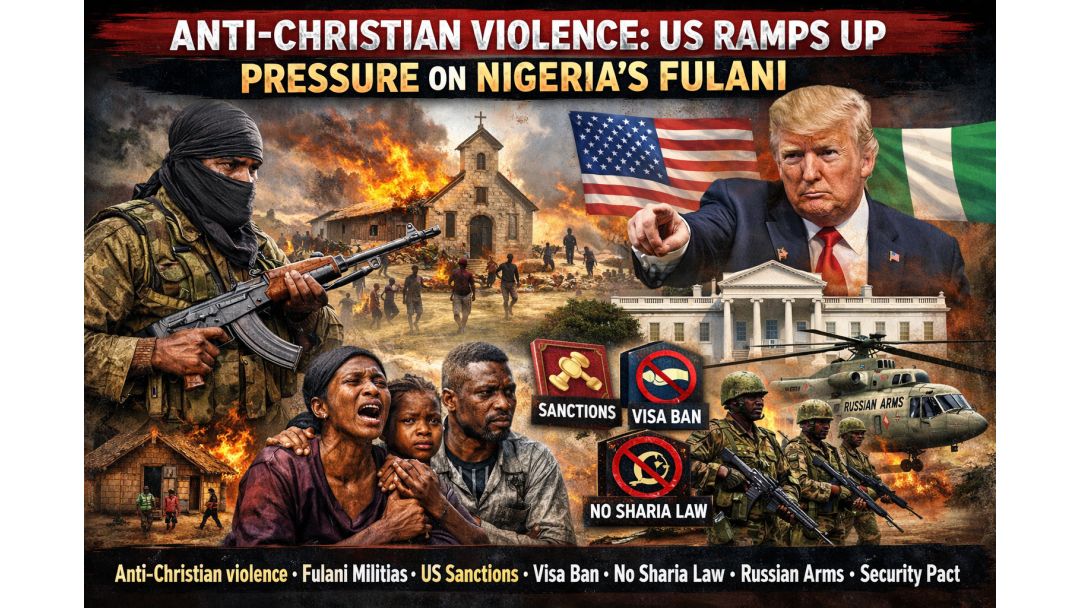
Abuja / Washington, D.C. — The United States has intensified diplomatic and legislative pressure on Nigeria over persistent attacks on Christian communities, particularly in the country’s Middle Belt, which US lawmakers and human-rights advocates increasingly describe as “systematic persecution.”
In a comprehensive report submitted to the White House this week, Republican members of the US House Foreign Affairs and Appropriations Committees called for sweeping measures to counter what they say is escalating violence by armed groups — including Fulani militias — against Christians in Nigeria. The report recommends a bilateral security agreement, targeted sanctions and visa restrictions on perpetrators, and demands for the repeal of Sharia and anti-blasphemy laws in several northern states, asserting that these statutes have enabled abuses.
The panel lauded President Donald Trump for redesignating Nigeria as a Country of Particular Concern under US religious-freedom law — a move aimed at “naming and shaming” authorities it accuses of failing to protect religious minorities. It urged blocking certain Nigerian cattle and beef exports to neighboring African markets as leverage to pressure armed herders to disarm.
US lawmakers also called for the Nigerian government to divest from Russian military equipment in favour of American defence systems, deepen counter-terrorism cooperation, and bolster early-warning security mechanisms for vulnerable communities. Recommendations include technical support for demobilisation and reintegration programmes for armed groups.
The push has bipartisan momentum, with proposed legislation seeking formal terrorist designations for some Fulani militia factions, and past actions by the US — including visa bans on individuals linked to religious violence — underscoring escalating tension over Nigeria’s security crisis.
However, the Nigerian government has rejected the premise that violence is motivated by religion, describing the security situation as driven by terrorism, organised crime and communal tensions affecting all faiths. Abuja insists that no official policy exists targeting Christians.
The developments come as Nigeria continues to grapple with repeated attacks on rural Christian communities, where armed militias have killed scores, displaced thousands, and destroyed churches and farmland amid longstanding herder-farmer conflicts that often take on religious overtones.
Comments